4 Day Tour from Marrakech to Fes
Duration
Group size


This 14 Day Morocco Itinerary From Marrakech is one of the most comprehensive ways to discover Morocco. Designed for travelers who want to experience the country's diversity without rushing, the journey combines ancient medinas, spectacular mountain scenery, traditional kasbahs, the golden dunes of the Sahara Desert, charming blue-painted towns, and beautiful Atlantic and Mediterranean coastlines.
Beginning in Marrakech, you'll cross the High Atlas Mountains into southern Morocco where dramatic valleys, historic kasbahs, and desert landscapes reveal a completely different side of the country. The route then continues to Merzouga for an unforgettable Sahara experience before heading north through the Middle Atlas Mountains toward Fes, Morocco's cultural capital.
Beyond the imperial cities, the itinerary explores Chefchaouen, Tangier, Asilah, Rabat, Casablanca, and the coastal gem of Essaouira. Each destination adds a unique layer to the experience, creating a journey filled with history, culture, scenery, and authentic local encounters. Whether it's your first visit or a return trip, this 14 Day Morocco Itinerary From Marrakech offers an unforgettable introduction to Morocco's most iconic destinations.
Your 14 Day Morocco Itinerary From Marrakech begins upon arrival at Marrakech Menara Airport, where your driver will welcome you and transfer you to your riad in the heart of the city. Depending on your arrival time, you may choose to relax after your flight or start discovering the vibrant atmosphere that has made Marrakech one of Morocco's most visited destinations.
The historic medina offers an excellent introduction to Moroccan culture. Narrow alleyways lead to colorful souks filled with spices, handcrafted goods, traditional textiles, and local artisans practicing centuries-old trades. Every corner reveals something new, creating a sense of discovery from the very first day.
As the afternoon turns into evening, make your way to Jemaa el-Fnaa Square. The atmosphere changes dramatically as food stalls, musicians, storytellers, and performers fill the square with energy. Surrounded by historic buildings and bustling streets, it provides the perfect first taste of the experiences that await throughout this journey.
Today is dedicated to discovering the cultural and historical treasures of Marrakech. Accompanied by a local guide, you'll visit some of the city's most important monuments while learning about its fascinating past.
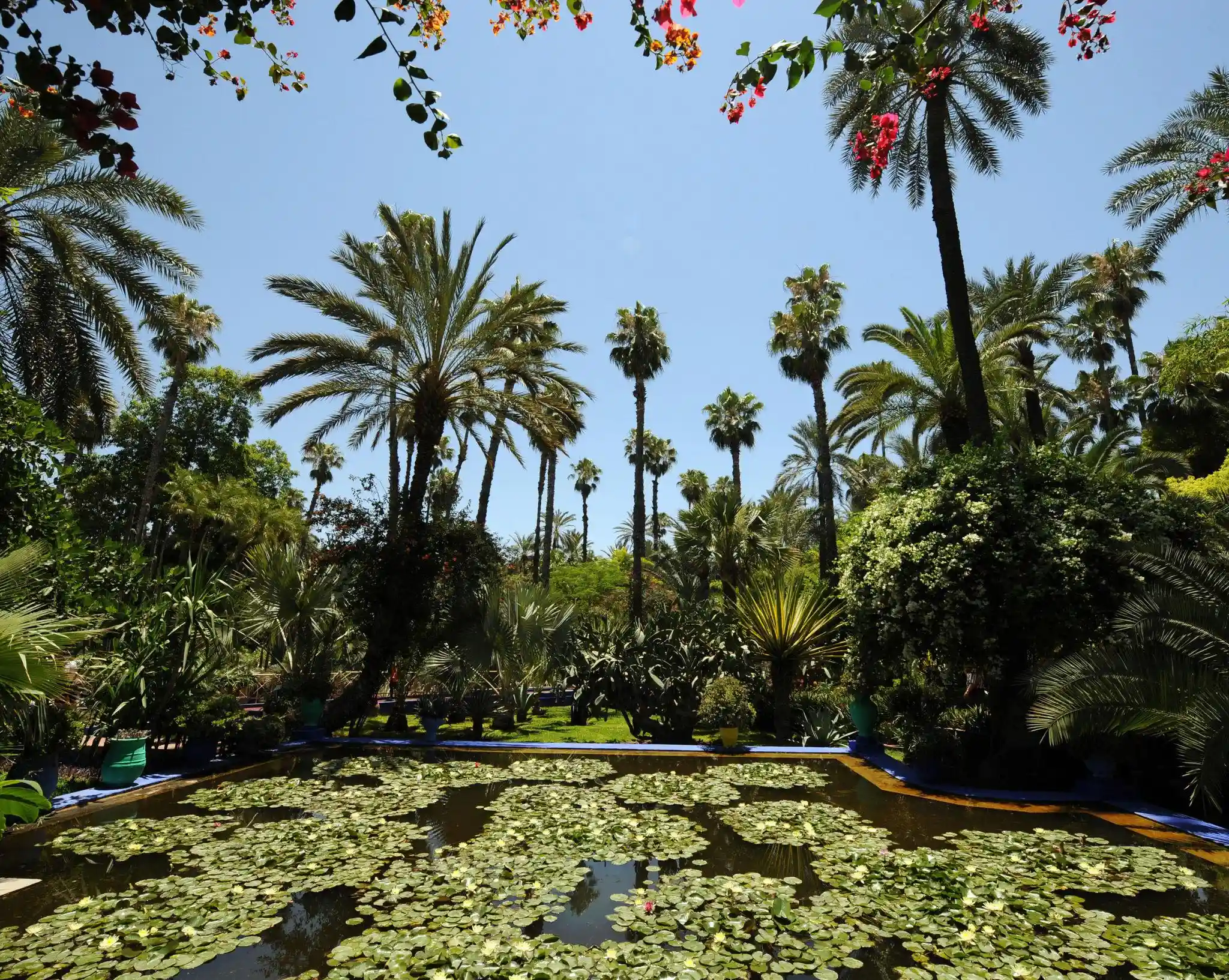
Highlights often include Bahia Palace, known for its elegant courtyards and decorative craftsmanship, as well as the Saadian Tombs, which reveal the splendor of Morocco's Saadian dynasty. The exterior of the Koutoubia Mosque offers another impressive example of Moroccan architecture.
During the afternoon, continue through the medina where craftsmen still practice traditional trades passed down through generations. The atmosphere inside the souks is constantly changing, with every alleyway revealing something different. From spice markets and leather workshops to hidden courtyards and traditional bakeries, Marrakech provides endless opportunities for exploration.
Finish the day with free time to enjoy the city at your own pace, perhaps from a rooftop terrace overlooking the old city.
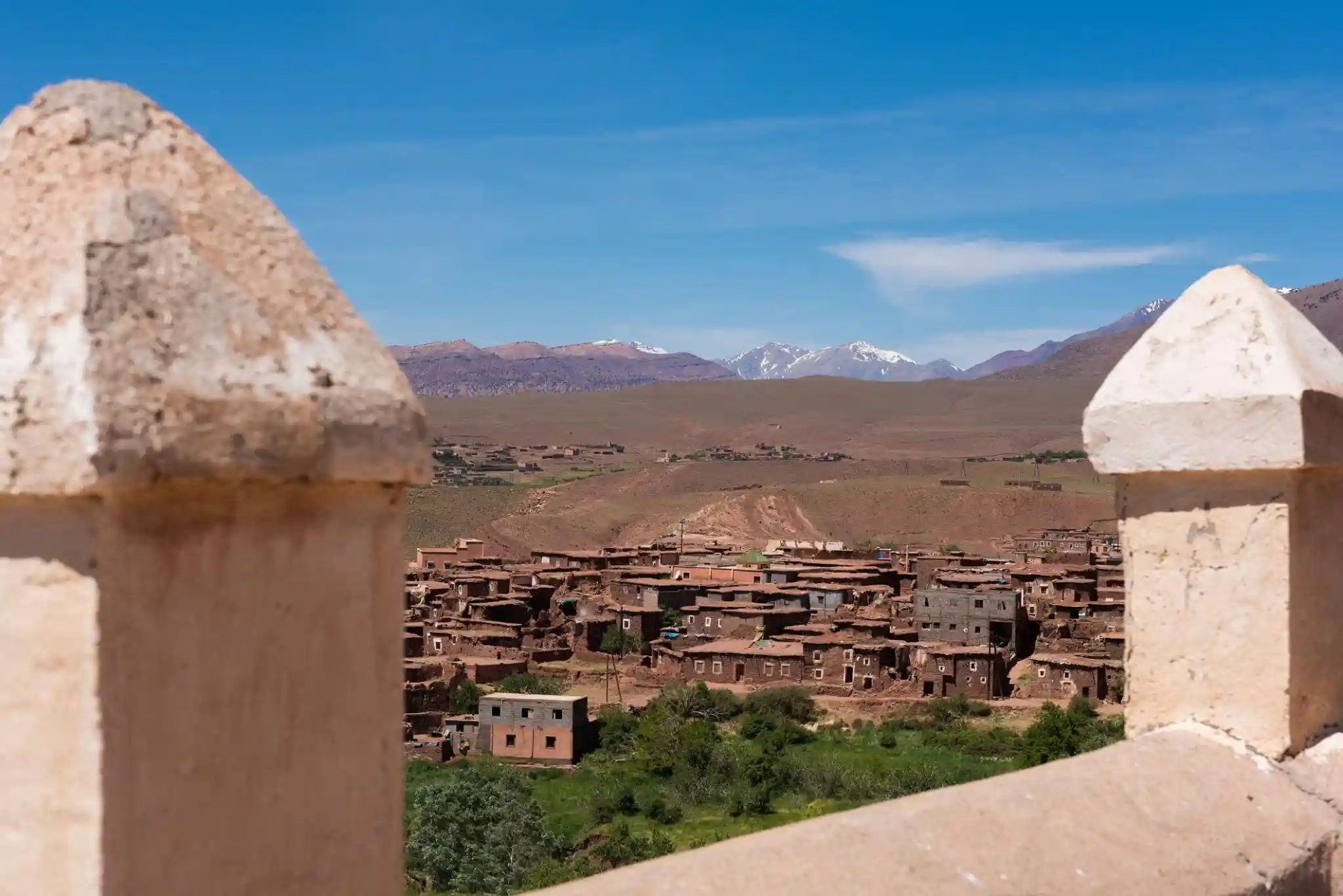
Leaving Marrakech behind, the journey heads into the spectacular High Atlas Mountains. The road climbs steadily through changing landscapes, offering panoramic views of valleys, mountain peaks, and traditional Berber villages.
A stop at Telouet Kasbah provides insight into the history of the powerful Glaoui family who once controlled important trade routes through southern Morocco. Despite the effects of time, many decorative elements remain visible and tell stories of a fascinating era.
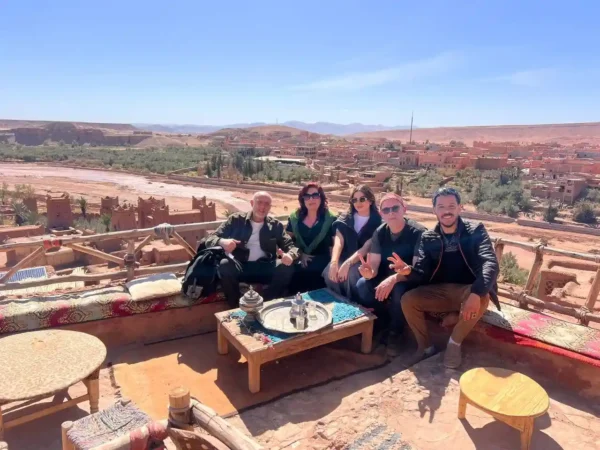
Continuing through dramatic scenery, arrive at Ait Ben Haddou, one of Morocco's most famous landmarks. This UNESCO World Heritage Site has served as the backdrop for numerous films and television productions. Exploring its narrow alleys and earthen buildings feels like stepping into another century.
By late afternoon, continue to Ouarzazate, often called the Gateway to the Sahara. Surrounded by desert landscapes and historic kasbahs, the city provides an ideal introduction to southern Morocco.
Driving distance: approximately 210 km.
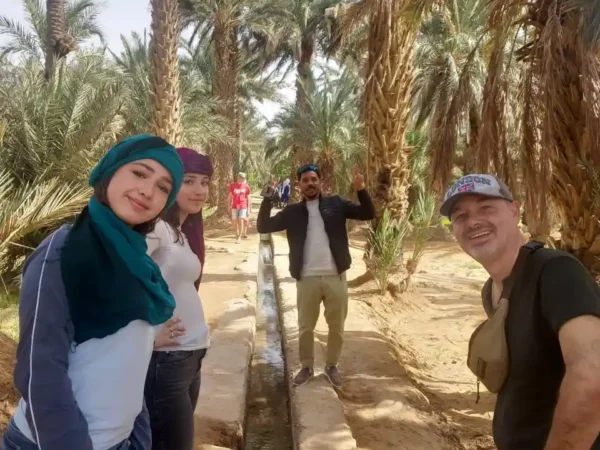
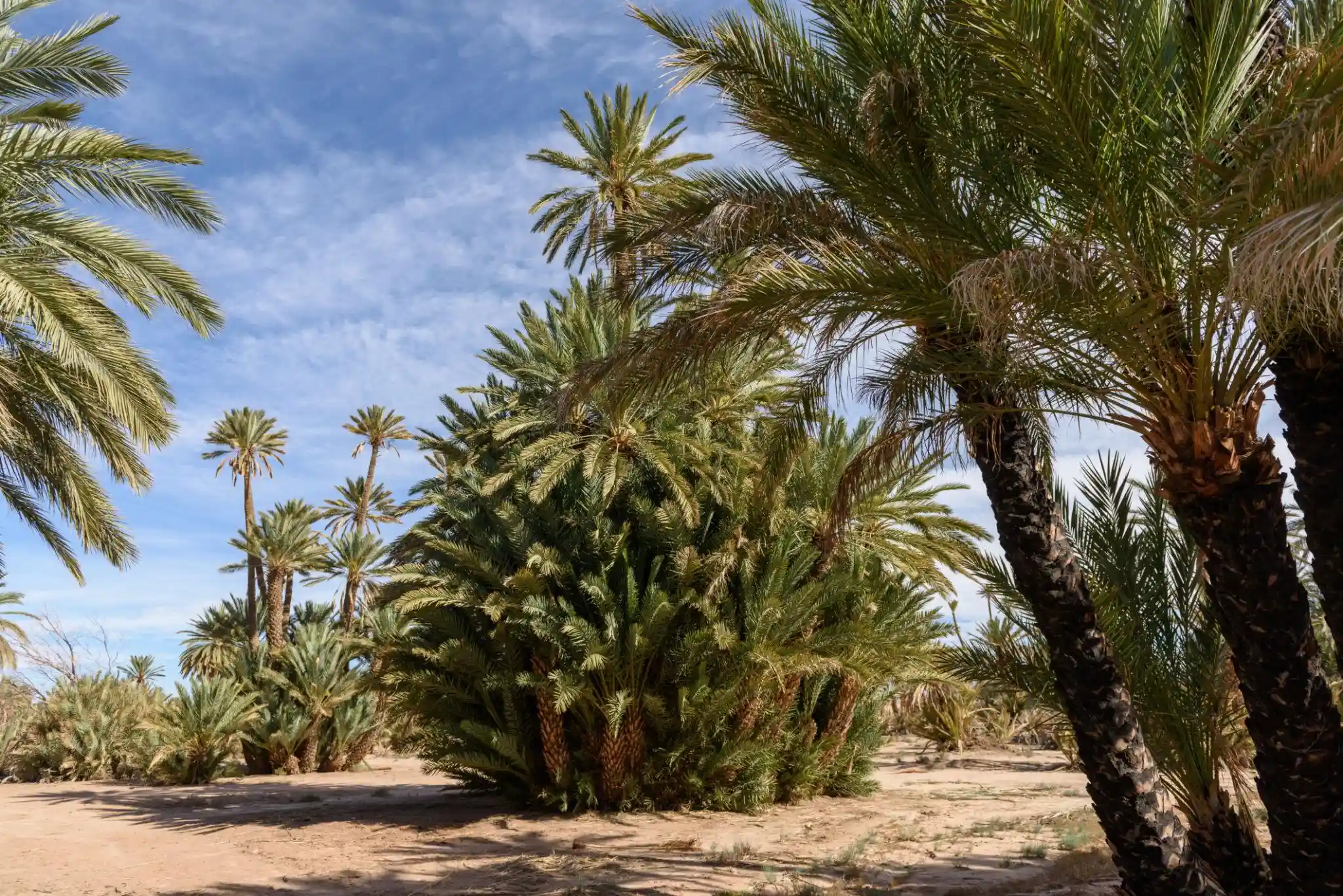
Today's route showcases some of the most beautiful scenery in southern Morocco. Leaving Ouarzazate, travel through the palm-filled oasis of Skoura where traditional kasbahs rise among thousands of date palms.
The journey continues through the Valley of Roses, famous for its annual rose harvest and fragrant products made by local cooperatives. Small villages scattered throughout the valley offer a glimpse into everyday life away from Morocco's larger cities.
As you approach Dades Valley, the landscapes become increasingly dramatic. Towering cliffs, unusual rock formations, and winding roads create some of the country's most photogenic scenery. The late afternoon light adds even more beauty to the surrounding mountains, making this one of the most memorable days of the tour.
Driving distance: approximately 150 km.
Today's journey leads toward one of the highlights of the entire itinerary: the Sahara Desert.
The morning begins with a drive through beautiful desert landscapes before reaching Todra Gorge. Here, enormous canyon walls rise dramatically above a narrow river valley, creating one of Morocco's most impressive natural attractions. The gorge offers excellent opportunities for short walks and photography.
Continuing eastward, you'll pass palm groves, traditional villages, and vast open landscapes as the scenery gradually becomes more arid. The anticipation builds as the first dunes of Erg Chebbi appear on the horizon.
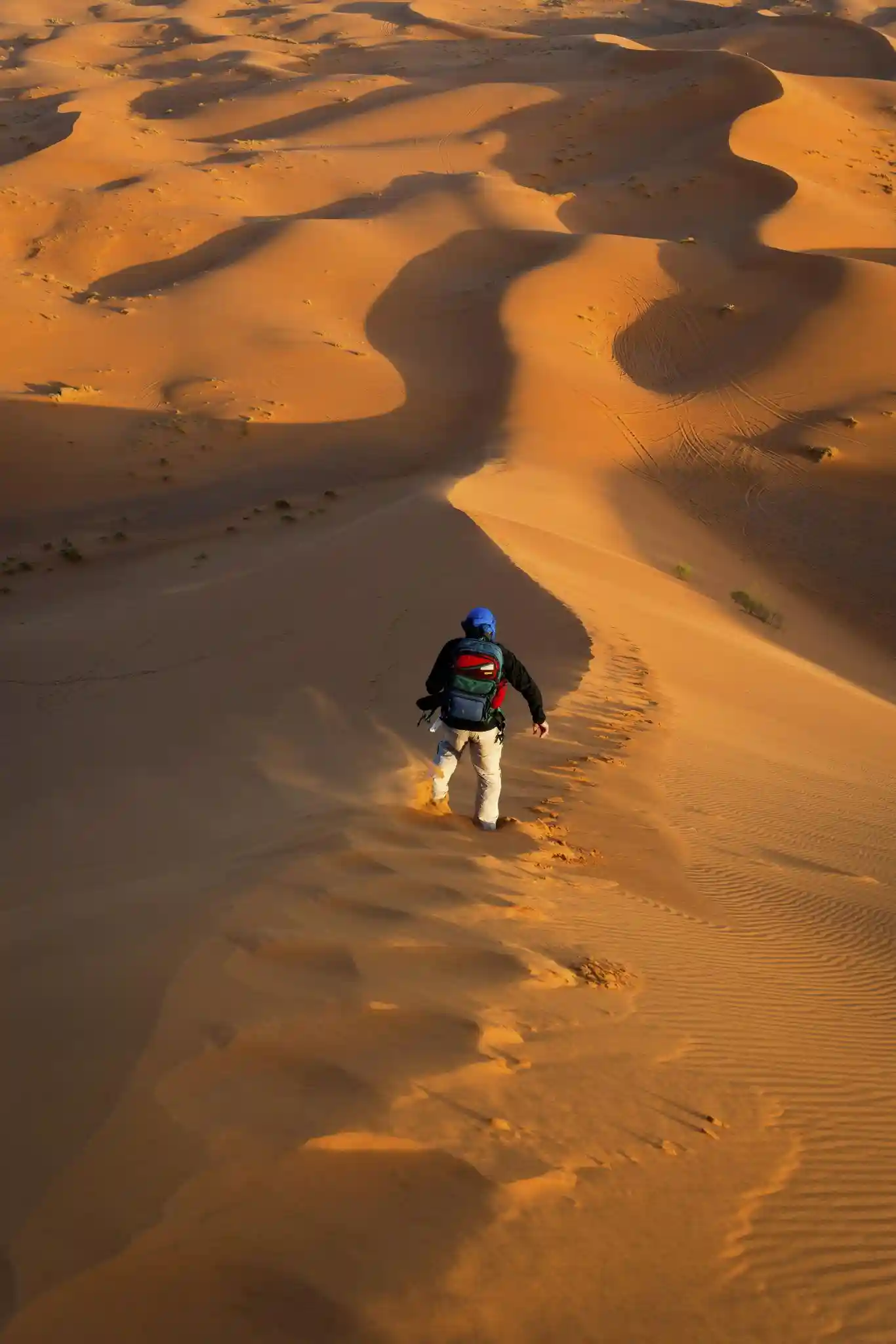
Upon arrival in Merzouga, switch to camels and begin a memorable trek across the golden dunes. As the sun slowly sets over the Sahara, the colors of the landscape transform dramatically. The evening is spent in a traditional desert camp where dinner, local music, and a sky filled with stars create an unforgettable experience.
Driving distance: approximately 275 km.
Rather than rushing away from the desert, today allows you to experience the Sahara more deeply. Begin with sunrise over the dunes, one of the most beautiful moments in the entire itinerary.
After breakfast, explore the surrounding region. A visit to Khamlia Village introduces you to traditional Gnawa music, a unique cultural heritage brought to Morocco centuries ago. The rhythms and performances provide a fascinating contrast to the silence of the surrounding desert.
Later, visit nomadic families and learn about life in one of Morocco's most remote environments. The vast landscapes, changing light, and peaceful atmosphere create a completely different travel experience compared to the busy imperial cities.
As evening approaches, enjoy another spectacular sunset before spending a relaxing night near the dunes.
Today's route reveals Morocco's incredible diversity. Leaving the Sahara behind, travel through the lush Ziz Valley where thousands of date palms create a striking green ribbon across the landscape.
The scenery changes dramatically throughout the day. Desert plateaus gradually give way to mountain forests and cooler temperatures as you enter the Middle Atlas region. Along the route, panoramic viewpoints offer excellent opportunities to appreciate the changing geography.
A stop in Ifrane surprises many visitors. Often called the "Switzerland of Morocco," the town is known for its alpine-style architecture, clean streets, and peaceful atmosphere.
By evening, arrive in Fes and settle into your riad. Tomorrow you'll explore one of Morocco's most fascinating cities.
Driving distance: approximately 470 km.
Today is devoted to discovering Fes, Morocco's cultural and spiritual capital. Accompanied by a local guide, you'll explore one of the world's largest and oldest medieval medinas.
Walking through the maze of alleyways reveals artisan workshops, bustling markets, traditional bakeries, and centuries-old monuments. The city's famous tanneries continue to operate using traditional methods that have remained largely unchanged for generations.
Historic madrasas, decorative courtyards, and ancient neighborhoods reveal the city's rich heritage. Every district offers something different, creating an experience that feels both educational and immersive.
By the end of the day, you'll understand why Fes is considered one of the most important cultural centers in the Islamic world.
Leaving Fes, the journey heads toward the Rif Mountains. Rolling hills, farmland, and mountain scenery accompany the drive northward.
Upon arrival in Chefchaouen, you'll immediately notice the town's unique atmosphere. Famous for its blue-painted streets and buildings, the city offers a completely different experience from the imperial cities visited earlier.
Spend the afternoon exploring narrow alleyways, discovering hidden corners, and enjoying the peaceful rhythm of local life. Small artisan shops, cozy cafés, and picturesque squares create a welcoming atmosphere throughout the medina.
The evening is perfect for a leisurely stroll while the blue walls take on new shades beneath the changing light.
Driving distance: approximately 200 km.
Today provides the opportunity to fully appreciate Chefchaouen without feeling rushed. The town's relaxed atmosphere encourages slow exploration and rewarding discoveries around every corner.
Spend the morning wandering through quieter sections of the medina, where local residents go about their daily routines among the famous blue walls. Photography enthusiasts will find countless opportunities to capture unique scenes throughout the city.
Several viewpoints overlooking Chefchaouen and the surrounding Rif Mountains offer spectacular panoramas. The combination of mountain scenery and blue architecture creates one of Morocco's most distinctive landscapes.
The remainder of the day is free to enjoy local cuisine, shop for handmade products, or simply relax and absorb the town's peaceful atmosphere.
This morning, depart Chefchaouen and continue north toward Tangier. Positioned at the crossroads of Europe and Africa, Tangier has long attracted artists, writers, and travelers from around the world.
Explore the medina, discover panoramic viewpoints overlooking the Strait of Gibraltar, and experience the city's unique blend of Moroccan and international influences. The atmosphere here feels noticeably different from the country's imperial cities.
Later, travel south along the Atlantic coast to Asilah. This charming seaside town is known for its whitewashed buildings, colorful murals, and relaxed atmosphere. Walking through its medina feels calm and refreshing after the energy of larger cities.
Driving distance: approximately 160 km.
Following the Atlantic coastline, today's journey connects two of Morocco's most important cities.
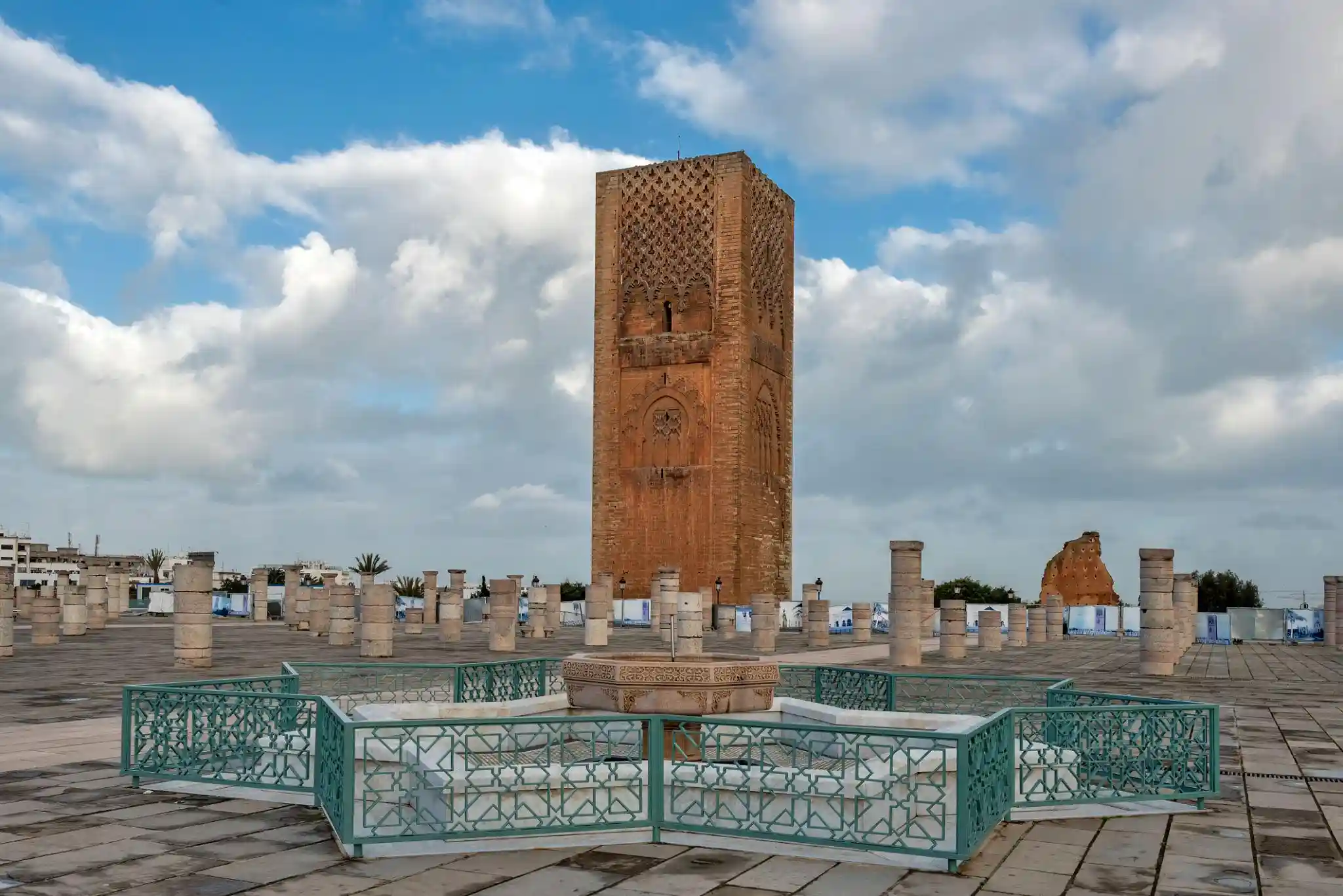
The first stop is Rabat, the country's capital. Visit Hassan Tower, the Mausoleum of Mohammed V, and the Kasbah of the Udayas, where ocean views and peaceful gardens create a wonderful atmosphere.
Continuing south, arrive in Casablanca. The city's highlight is undoubtedly the Hassan II Mosque, one of the largest and most impressive mosques in the world. Built beside the Atlantic Ocean, it represents an extraordinary achievement of Moroccan craftsmanship.
The combination of historical monuments and modern city life makes today both diverse and memorable.
Driving distance: approximately 340 km.
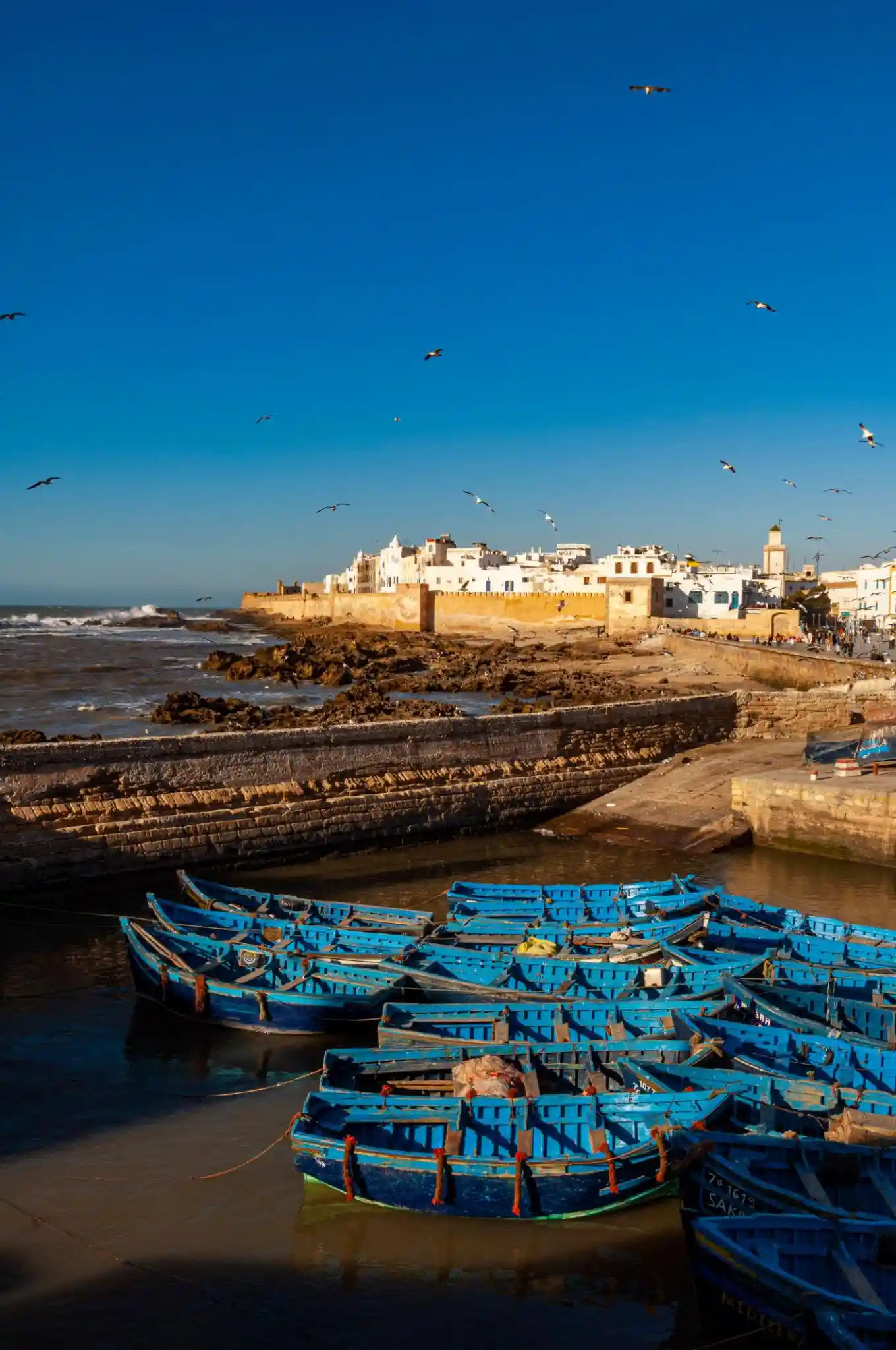
Leaving Casablanca behind, travel south along the Atlantic coast toward Essaouira. Known for its artistic atmosphere, fishing port, and oceanfront location, the city offers a refreshing change of pace.
The historic medina is smaller and easier to navigate than those of Marrakech or Fes. Whitewashed buildings, blue shutters, and narrow streets create a charming environment for exploration.
Visit the fishing port, stroll along the famous ramparts, and enjoy views of the Atlantic Ocean. Essaouira's relaxed atmosphere, fresh seafood, and coastal scenery make it a favorite destination among travelers.
As evening arrives, enjoy one final coastal sunset before returning to Marrakech tomorrow.
Driving distance: approximately 370 km.
The final day of your 14 Day Morocco Itinerary From Marrakech begins with free time to enjoy Essaouira's peaceful atmosphere one last time. Whether taking a walk along the beach, browsing local shops, or enjoying breakfast with ocean views, the town offers a relaxing conclusion to the journey.
The return drive to Marrakech passes through landscapes dotted with argan trees and rural villages, providing a final glimpse of Morocco's countryside. Along the way, you'll have opportunities to admire the scenery and reflect on the experiences of the past two weeks.
Upon arrival in Marrakech, transfer to the airport according to your departure schedule. Your journey concludes with unforgettable memories of imperial cities, mountain passes, ancient kasbahs, Sahara dunes, Atlantic coastlines, and the remarkable diversity that makes Morocco one of the world's most rewarding destinations.
Driving distance: approximately 190 km.
This 14 Day Morocco Itinerary From Marrakech combines imperial cities, mountain regions, desert landscapes, and coastal destinations, giving travelers a complete overview of the country. Distances between some destinations may seem long, but they are balanced by scenic routes, cultural stops, and constantly changing landscapes. From the High Atlas Mountains and ancient kasbahs to the golden dunes of the Sahara and the Atlantic coastline, every stage of the journey reveals a different side of Morocco.
Accommodation throughout the tour typically includes a combination of traditional riads, comfortable hotels, and a memorable overnight stay in a Sahara Desert camp. Riads are often located within historic medinas and provide a more authentic experience, featuring traditional Moroccan architecture, peaceful courtyards, and warm hospitality.
Wi-Fi is available in most riads and hotels, while mobile coverage remains reliable in the majority of areas visited throughout the tour. Moroccan Dirhams are the local currency, and carrying some cash is useful when shopping in traditional markets or smaller towns. Comfortable walking shoes are recommended, as many medinas are best explored on foot.
Spring and autumn are generally considered the best seasons for this itinerary thanks to pleasant temperatures across most regions. Regardless of when you travel, packing layers is advisable since weather conditions can vary between the mountains, desert, and coast. This tour is designed to balance cultural discovery, sightseeing, scenic drives, and free time, allowing you to experience Morocco at a comfortable and enjoyable pace.
Let’s Plan Your Adventure To Morocco!