8 Days Morocco Women’s Tour
Duration
Group size


Your 9 Days Morocco Geology Tour begins in Marrakech before heading south toward the spectacular High Atlas Mountains.
The journey climbs through changing elevations and increasingly dramatic mountain scenery. Along the route, exposed rock faces and deep valleys provide an excellent introduction to the geological forces that shaped this part of Morocco.
Cross the mountain range before continuing toward Ait Ben Haddou. The famous fortified village is surrounded by an arid landscape where traditional earthen architecture blends naturally with the geology of the region.
Take time to explore the UNESCO-listed ksar and appreciate its strategic position along historic caravan routes.
Continue to Ouarzazate, where the High Atlas gradually gives way to the dry landscapes of southern Morocco. Spend the evening in the city before continuing deeper into the geological regions of the southeast.
Distance: Approximately 200 km.
After breakfast, leave Ouarzazate and travel east toward Skoura, an extensive oasis where palm groves and cultivated land contrast dramatically with the surrounding dry terrain.
Continue through the Valley of Roses and toward the Dades Valley, where the geological character of the landscape becomes increasingly impressive.
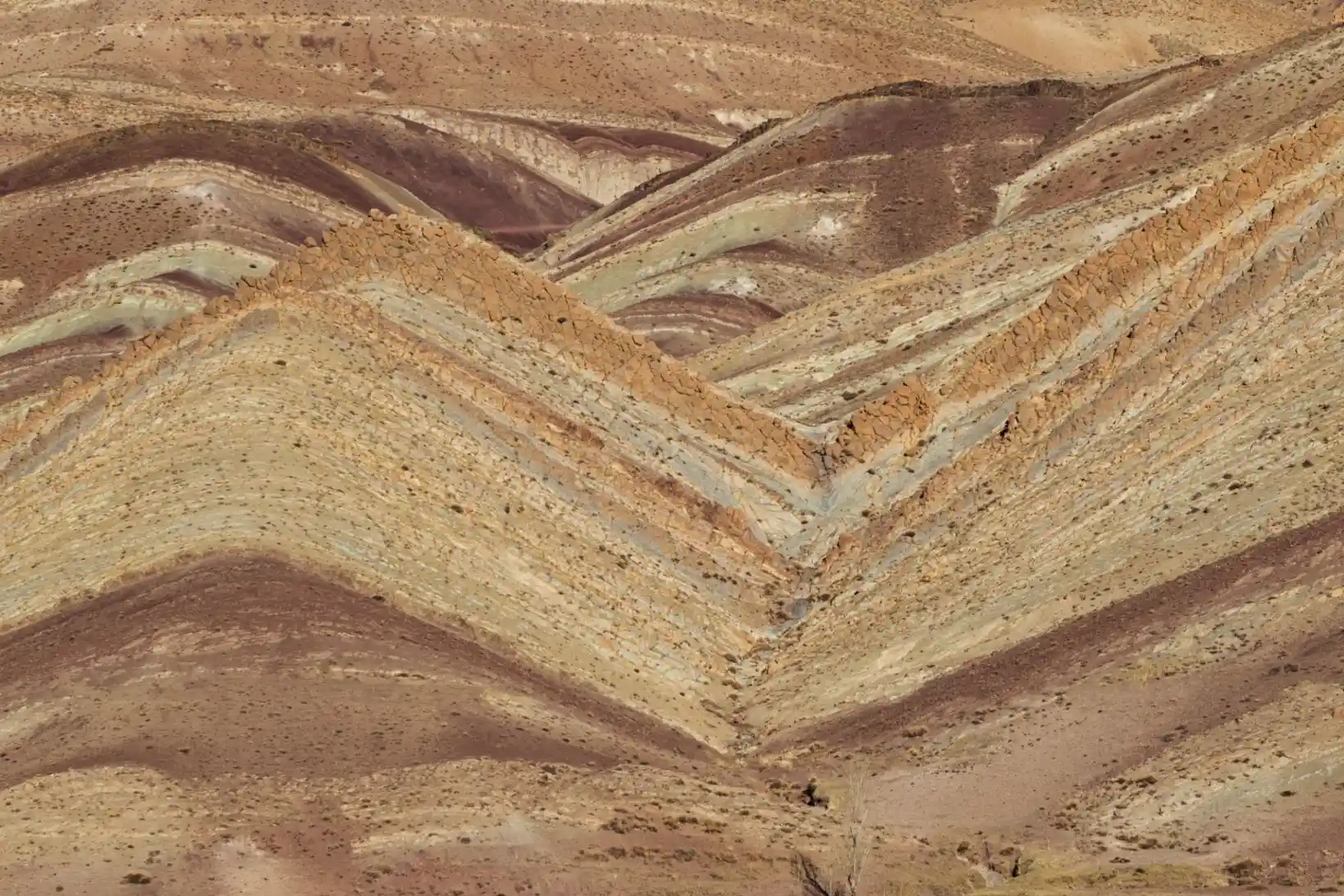
Layers of exposed rock, eroded slopes and unusual formations reveal the long natural processes that shaped the valley. Stops along the route provide opportunities to observe the different colors and structures visible in the surrounding mountains.
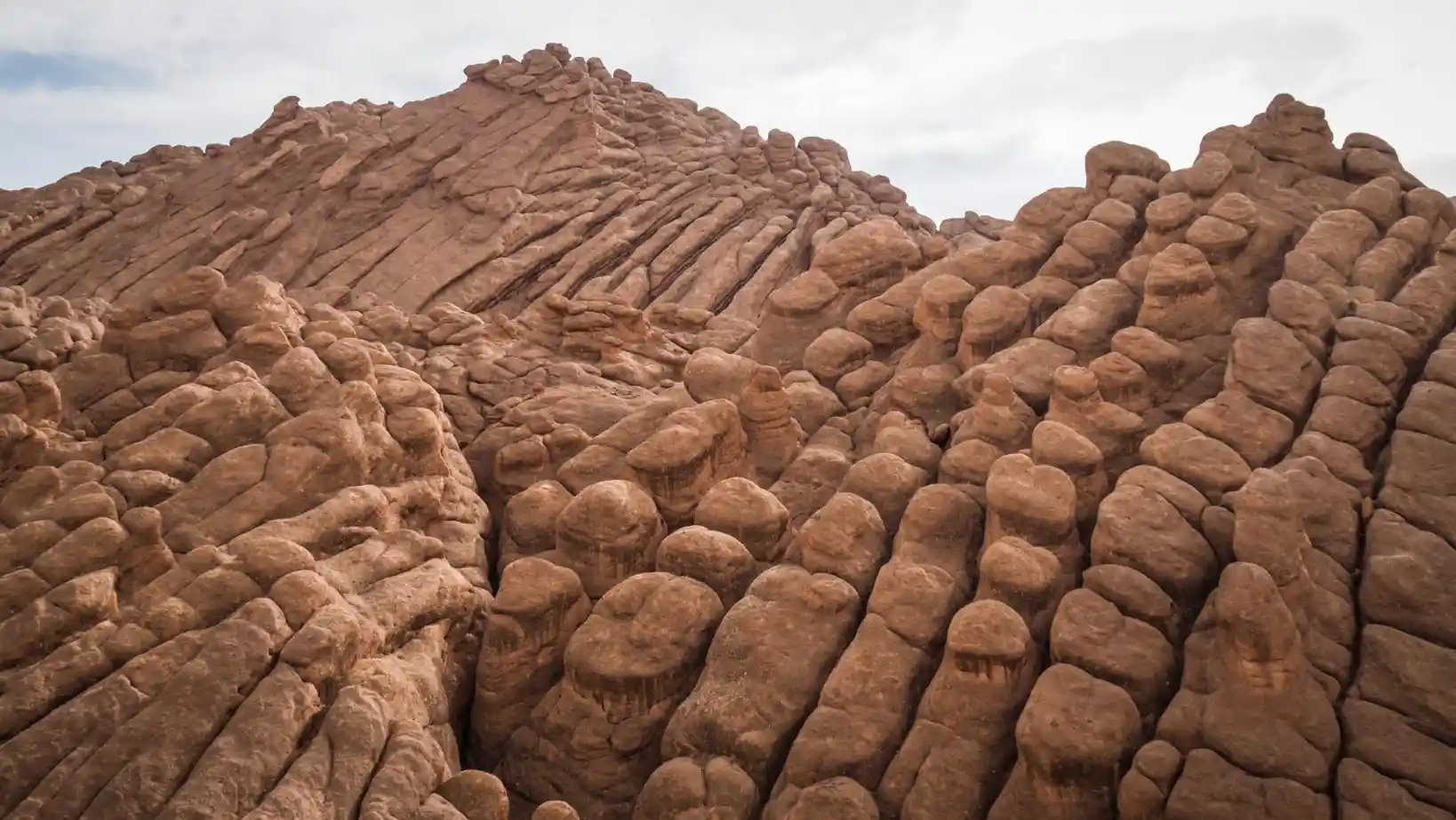
Later, travel deeper into the Dades Gorge area. One of the region’s most recognizable sights is the unusual rock formation often called the Monkey Fingers, shaped over time by erosion.
Spend the night in the Dades Valley surrounded by its spectacular rock scenery.
Distance: Approximately 135 km.
Today is dedicated to exploring the geology of the Dades Valley at a slower pace.
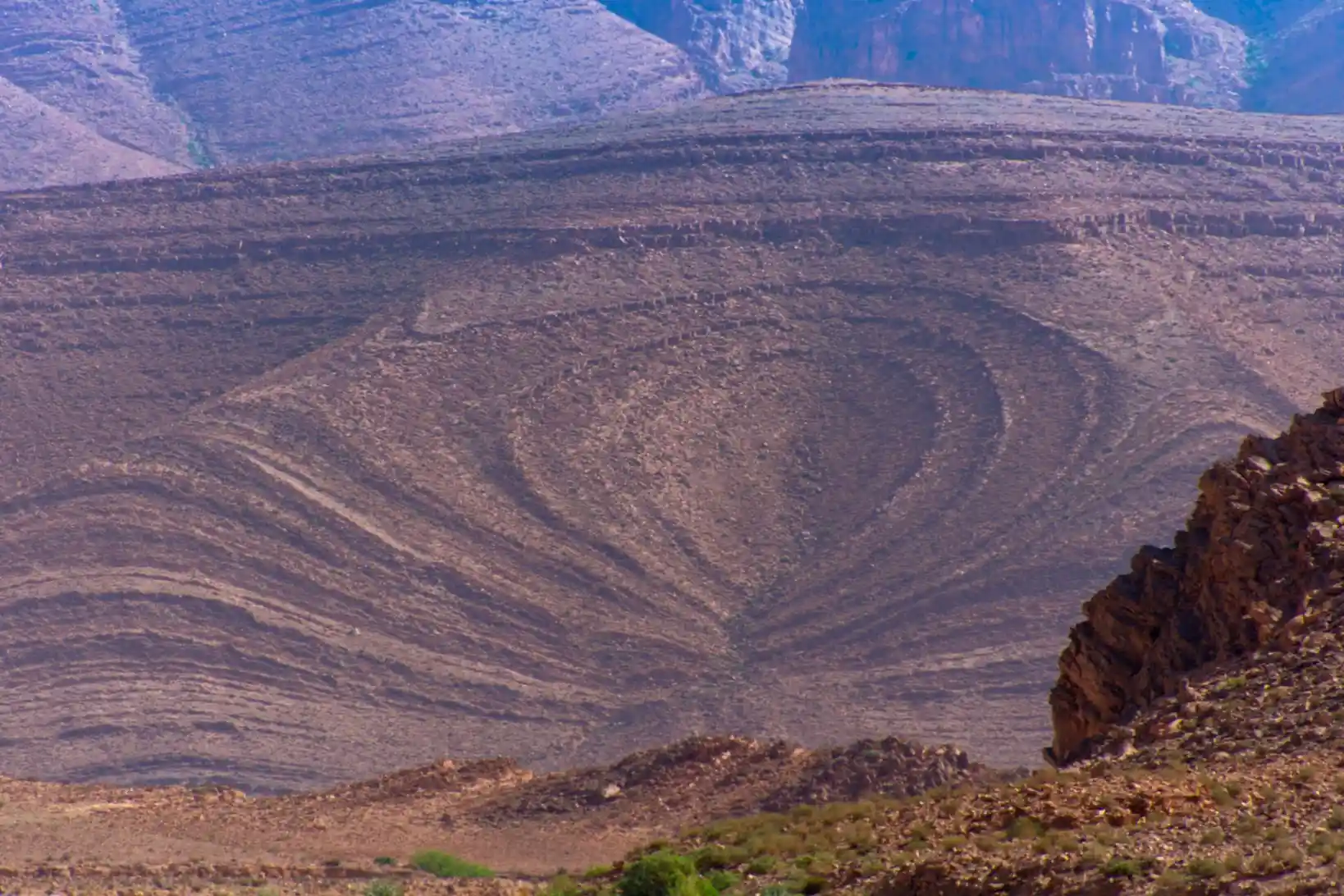
Travel through sections of the valley where erosion has exposed striking layers of sedimentary rock. The landscape changes continuously, from narrow sections surrounded by steep cliffs to wider valleys dotted with traditional villages and cultivated fields.
Stops at panoramic viewpoints allow time to examine the shapes, colors and visible layers within the surrounding formations. Water and erosion have played a major role in carving the valley, producing some of southern Morocco’s most distinctive scenery.
Explore the gorge area and surrounding landscapes while also observing how local communities have adapted agriculture and settlements to the geography of the valley.
Return to your accommodation in the Dades region for another night surrounded by the mountains.
Leave the Dades Valley and travel toward Tinghir, passing through another fascinating section of Morocco’s southeastern landscape.
The main geological highlight today is Todra Gorge. Over long periods, water carved through the limestone terrain, creating a narrow canyon surrounded by enormous rock walls.
Walk through the gorge and observe the exposed rock faces rising dramatically on both sides. The site offers an impressive opportunity to appreciate the scale of erosion and the geological structure of the region at close range.
Continue exploring the surrounding Tinghir area, where a green palm oasis stretches between the dry mountain landscapes. The contrast demonstrates the importance of water in shaping both the natural environment and human settlement.
Spend the night in the Tinghir area.
Distance: Approximately 70 km.
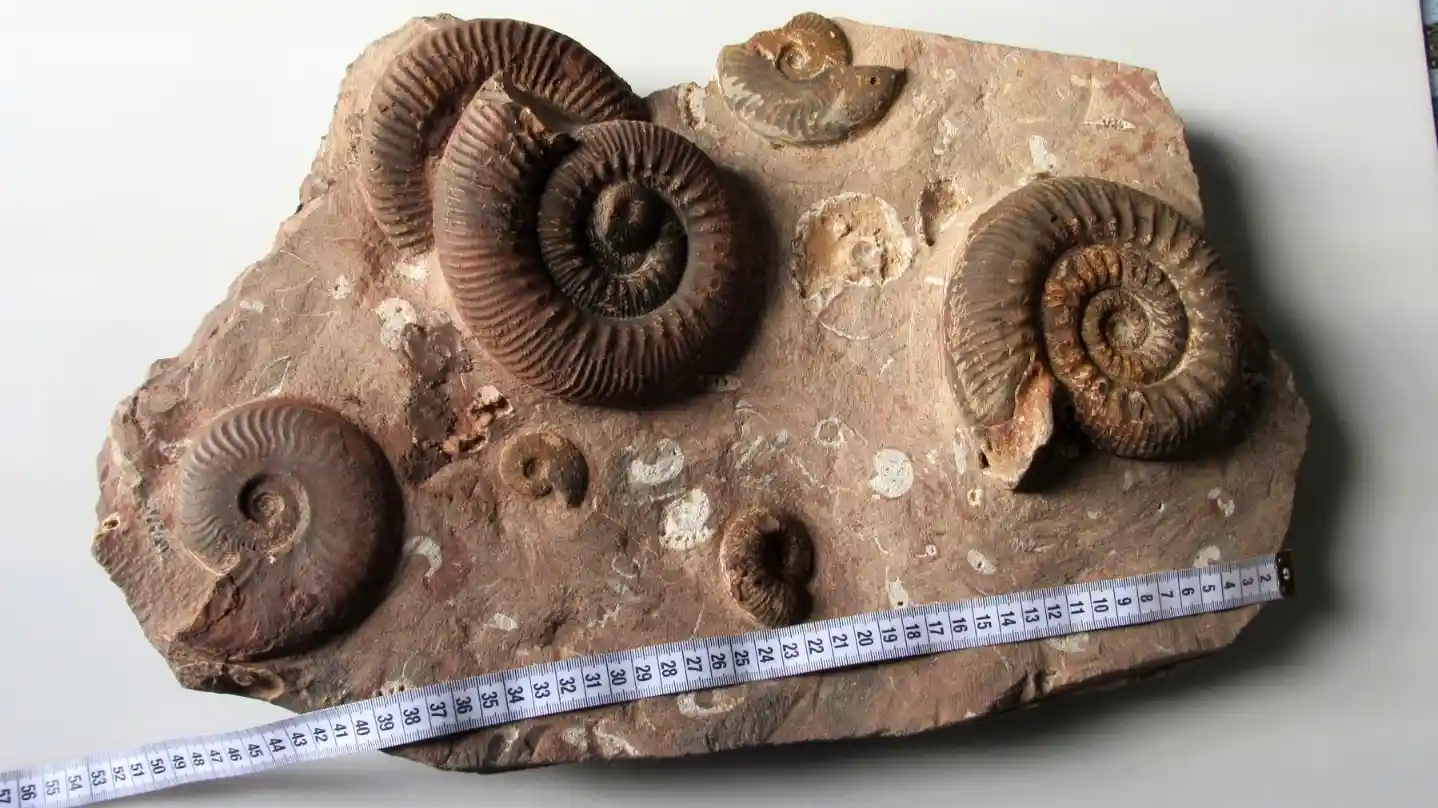
Continue east toward Erfoud, one of Morocco’s best-known regions for fossils and ancient geological formations.
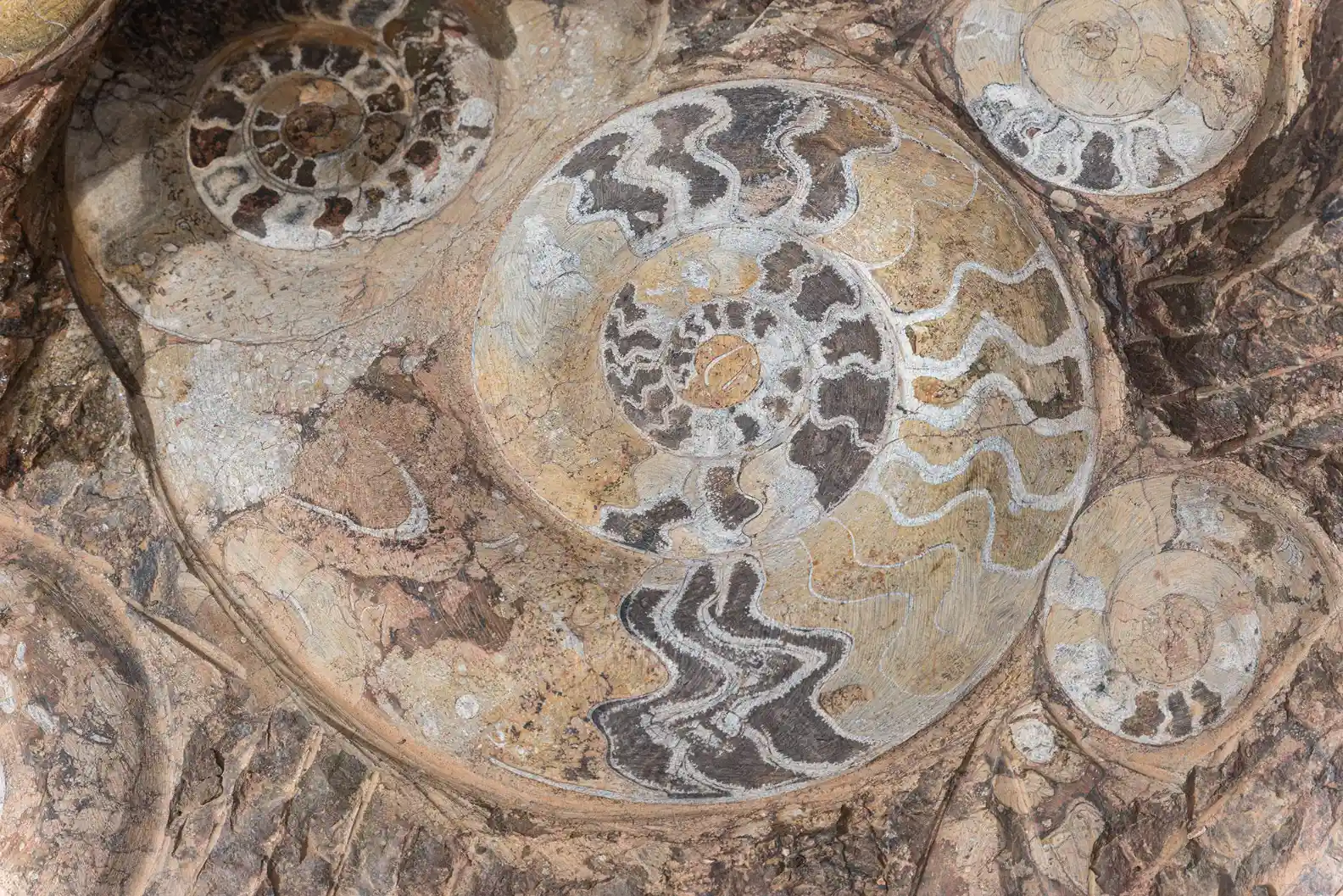
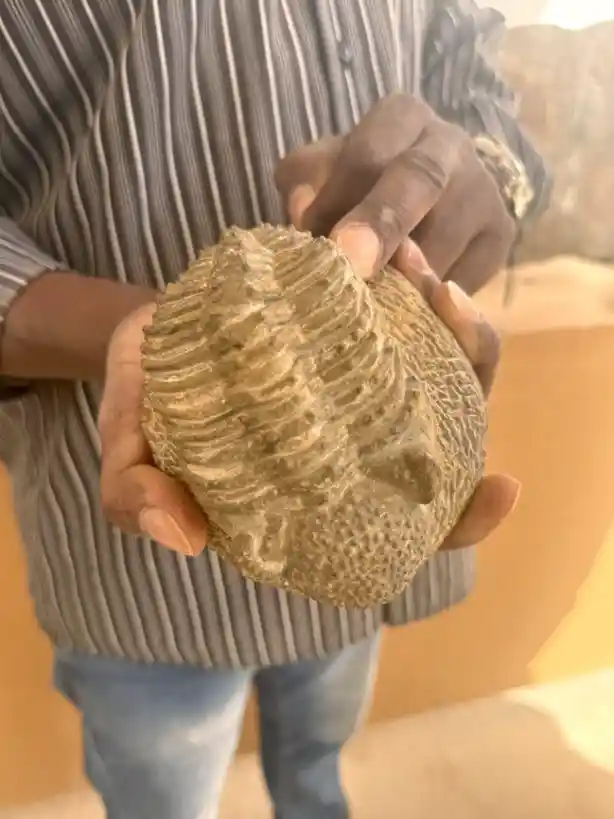
The surrounding landscapes contain sedimentary rocks preserving evidence of marine life from periods when parts of present-day Morocco were covered by ancient seas. Fossils found throughout the region include marine organisms preserved within dark stone.
Explore the fossil heritage of the Erfoud area and learn how locally extracted fossil-bearing stone has become closely connected with the region’s identity and craftsmanship.
Afterward, continue toward Merzouga. The rocky desert gradually transitions into one of Morocco’s most famous landscapes as the enormous dunes of Erg Chebbi appear on the horizon.
Arrive near the dunes and enjoy the evening surrounded by the contrasting rocky and sandy environments of southeastern Morocco.
Distance: Approximately 200 km.
Spend the day discovering the landscapes surrounding Merzouga and Erg Chebbi.
Unlike the rocky plateaus crossed earlier in the journey, Erg Chebbi is dominated by enormous accumulations of wind-blown sand. Explore the edge of the dune system and observe how wind continuously reshapes the desert surface.
The surrounding region provides striking contrasts between dunes, rocky desert terrain and distant mountain formations.
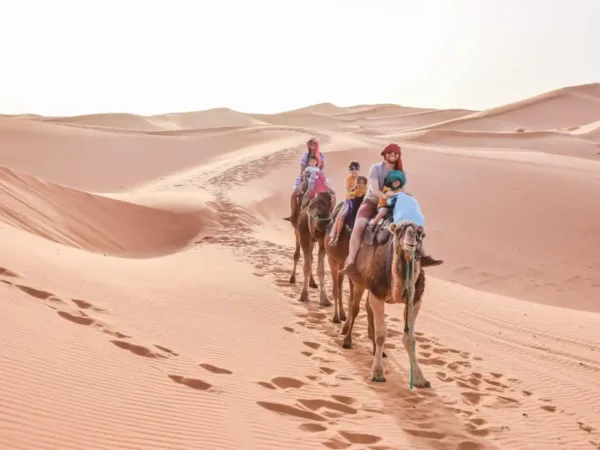
Later in the afternoon, prepare for a camel trek into the Sahara. Travel across the dunes as the lowering sun changes the color and appearance of the sand.
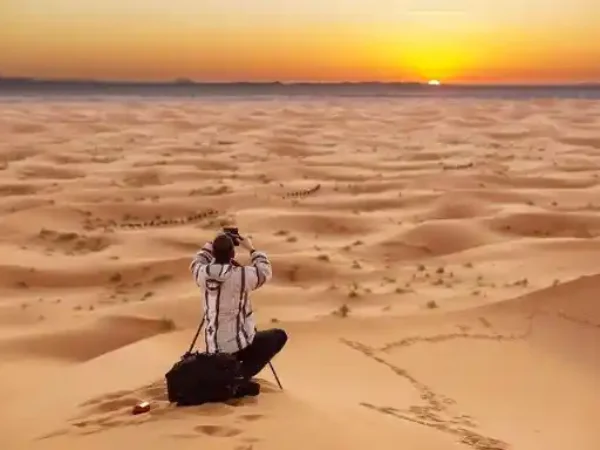
Stop among the dunes for sunset before continuing to the desert camp. Enjoy dinner and spend the night beneath the Sahara sky, surrounded by one of the most distinctive landscapes of the tour.
Wake early to experience sunrise over Erg Chebbi before leaving the Sahara region.
Travel through Rissani and continue toward Alnif, passing through remote desert landscapes known for exposed rock formations and fossil-bearing terrain.
The route crosses broad plateaus and barren mountain scenery, providing another perspective on the geological diversity of southeastern Morocco.
Continue west toward the Draa Valley and Agdz. As the landscape changes, the extensive palm groves of the valley appear between dry mountains and rocky terrain.
The contrast between the fertile river corridor and the surrounding arid environment makes the Draa Valley one of southern Morocco’s most distinctive landscapes.
Spend the night in Agdz.
Distance: Approximately 300 km.
After breakfast, spend more time discovering the landscapes of the Draa Valley.
Follow sections of the valley where palm groves, traditional villages and cultivated areas occupy the narrow fertile corridor surrounded by dry mountains.
The journey offers opportunities to observe how geology, water and human settlement are closely connected in southern Morocco. Traditional kasbahs built from local earth further demonstrate how communities historically used materials available within their immediate environment.
Continue north toward Ouarzazate through the rocky landscapes separating the Draa Valley from the High Atlas region.
Arrive in Ouarzazate with time to relax and reflect on the different geological environments encountered throughout the journey.
Distance: Approximately 70 km.
After breakfast, begin the final journey from Ouarzazate back toward Marrakech.
The route once again crosses the High Atlas Mountains, providing a final opportunity to observe the enormous geological structures that dominate central Morocco.
As the road climbs, stop at selected panoramic viewpoints to appreciate the exposed mountain formations, deep valleys and dramatic changes in elevation.
Continue through the mountain passes before descending toward the plains surrounding Marrakech. The transition from the dry landscapes of southern Morocco back toward Marrakech provides a fitting conclusion to a journey that has crossed mountains, valleys, gorges, fossil regions and desert environments.
The 9-day geology journey concludes upon arrival in Marrakech.
Distance: Approximately 195 km.
Who It’s For: Suitable for geology enthusiasts, educational groups, researchers and travelers interested in Morocco’s natural landscapes.
What to Pack: Comfortable walking shoes, sun protection, a hat and layers for changing mountain and desert temperatures are recommended.
Terrain: Some geological stops involve walking over rocky, sandy or uneven ground.
Sahara Night: Bring a small overnight bag with the essentials needed for your desert camp stay.
Customization: Geological stops and the pace of the itinerary can be adapted to the interests of your group.
Let’s Plan Your Adventure To Morocco!